
Distilled white vinegar effectively removes odors from clothes, including tough-smelling workout gear, and strips away detergent buildup. It is an affordable option that is safe for most high-efficiency and standard washers, lacking tannins that could stain clothes. If cider vinegar is your only option, dilute it with water before applying it directly to fabrics. Use vinegar sparingly in laundry, ideally no more than once a week, to prevent appliance wear. Below are 11 benefits of using vinegar in laundry, along with times you might want to avoid it.
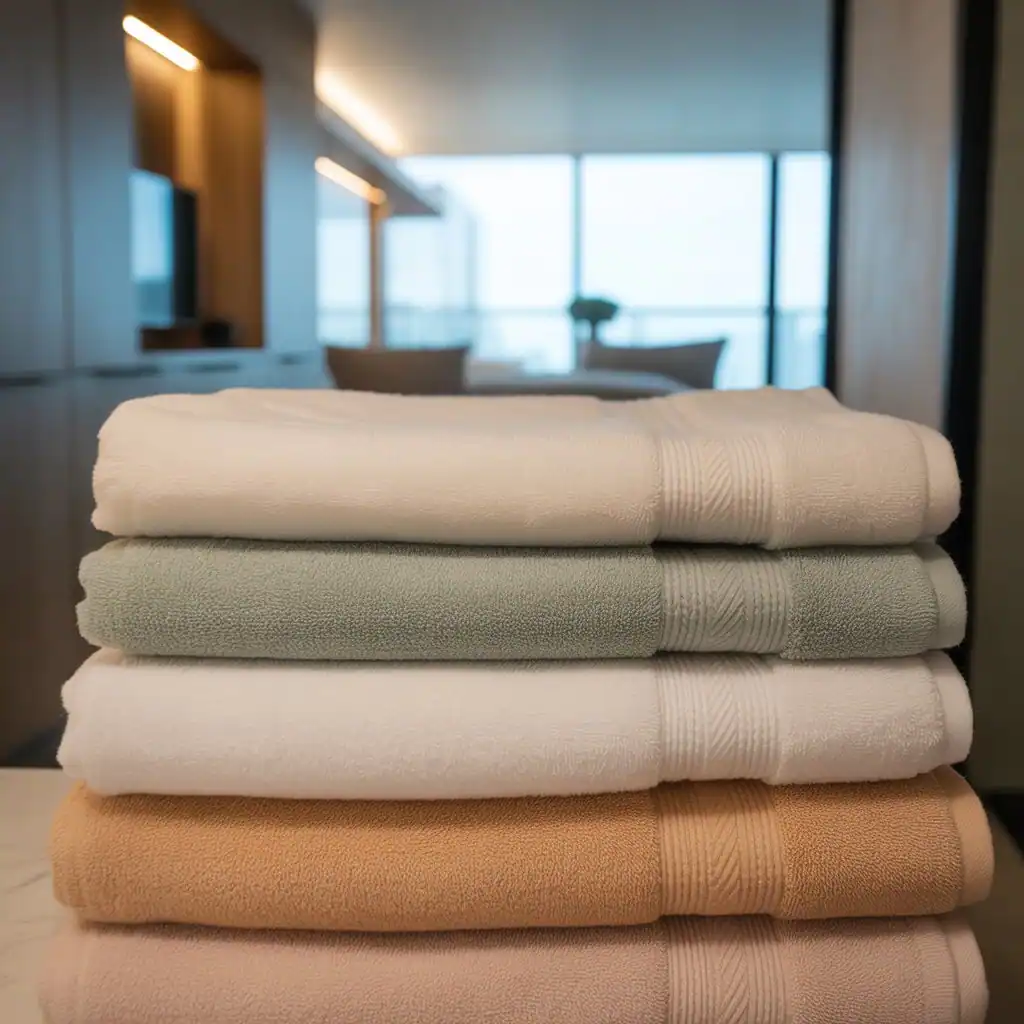
Adding vinegar during the wash cycle can remove moldy or sour odors on towels. Fill the washer with hot water (use warm water for dark-colored towels). Add 2 cups of distilled white vinegar and run a complete cycle. Run a second complete cycle with detergent.
This works well for small amounts of mildew and sour smells. A more aggressive treatment is necessary for larger mold issues and stains.
The acetic acid in distilled white vinegar can dissolve residues (alkalies) left in fabrics by soaps and detergents. Add 1/2 cup of distilled white vinegar to the fabric softener dispenser, or add the vinegar manually at the beginning of the rinse cycle.
Vinegar can be used to brighten dull clothes. Get white cotton dishcloths, underwear, and socks white again by adding 1 cup of distilled white vinegar to 1 gallon of water in a large pot. Heat the solution to boiling, turn off the heat, and add the dingy items. Allow them to soak overnight, and then launder as usual.
Distilled white vinegar acts as a natural fabric softener by removing trapped body soil and detergent residue that leaves laundry feeling scratchy. Use 1/2 cup in the final rinse cycle instead of a commercial fabric softener.
Using vinegar in the rinse cycle will help prevent pet hair and lint from clinging to clothes. Remember, vinegar should not be used in every wash cycle. If it’s too soon to use vinegar in your laundry routine again, soak your clothing in the sink or rub, rinse, and then wash normally.
Add 1/2 cup of white distilled vinegar to the fabric softener dispenser or directly to the washer at the start of the rinse cycle. Do not combine with a commercial fabric softener.
Spray vinegar onto fabric to remove perspiration odor and stains on washable white clothes. Fill a spray bottle with undiluted distilled white vinegar, and keep it on hand in the laundry room. Spray the vinegar directly on the underarm areas, and allow it to work for at least 10 minutes before tossing the garment into the washing machine.
If the fabric feels stiff before washing, use a soft-bristled brush (an old toothbrush works well) to break up the residue. The vinegar helps to cut through residual deodorant left on clothing and prevent underarm yellowing.
Vinegar helps hide marks from clothing alterations. To close tiny holes left along a seam or hemline when a garment is altered, dampen a white cloth with distilled white vinegar, place it under the fabric on an ironing board, and press. Select the correct ironing temperature for the fabric and use a pressing cloth on top of the fabric to prevent shiny marks.
Vinegar prevents dullness on dark-colored clothes by removing soap and detergent residue. Do not use vinegar every time you need to brighten dark clothing. Another option is to soak your clothing in the sink or rub, rinse, and wash normally.
However, when it is safe to add vinegar to your dark clothing wash, add 1/2 cup of distilled white vinegar to the final rinse cycle.
Vinegar helps remove strong odors like cigarette smoke, farm odors, and fast-food cooking smells.
Fill a large sink or bathtub with warm water and add 1 to 2 cups of distilled white vinegar, depending on the load’s size. Add the stinky clothes and allow them to soak overnight. Drain the washer and wash the laundry with a heavy-duty enzyme-based detergent.
To help remove odors from dry-clean-only clothes and furnishings like pillows and drapes, fill the bathtub with very hot water and add 2 cups of vinegar. Hang the clothes or fabric above the steaming water, and shut the door so the steam can penetrate the fibers.
Clean your washing machine by using vinegar. Remove soap scum and clean the hoses by running a complete wash cycle with the washer empty using hot water and 2 cups of distilled white vinegar. Clean your washer with vinegar about four times per year, avoiding this method more often to prevent damage to your machine.
If you have automatic detergent or fabric softener dispensers, place the distilled white vinegar in the dispensers to dissolve any residue buildup that may limit performance.
Use vinegar to dissolve mineral deposits that can clog an iron’s steam vents and spray nozzles.
To clean your iron, fill the water chamber with a solution of equal parts distilled white vinegar and distilled water. Set the iron upright on a heatproof surface, and let it steam for about five minutes.
When the iron is cool, rinse the tank with distilled water. Refill the iron and shake water through the vents onto an old cloth. Finally, iron an old cloth for several minutes to expel any residue before ironing wearable garments.