
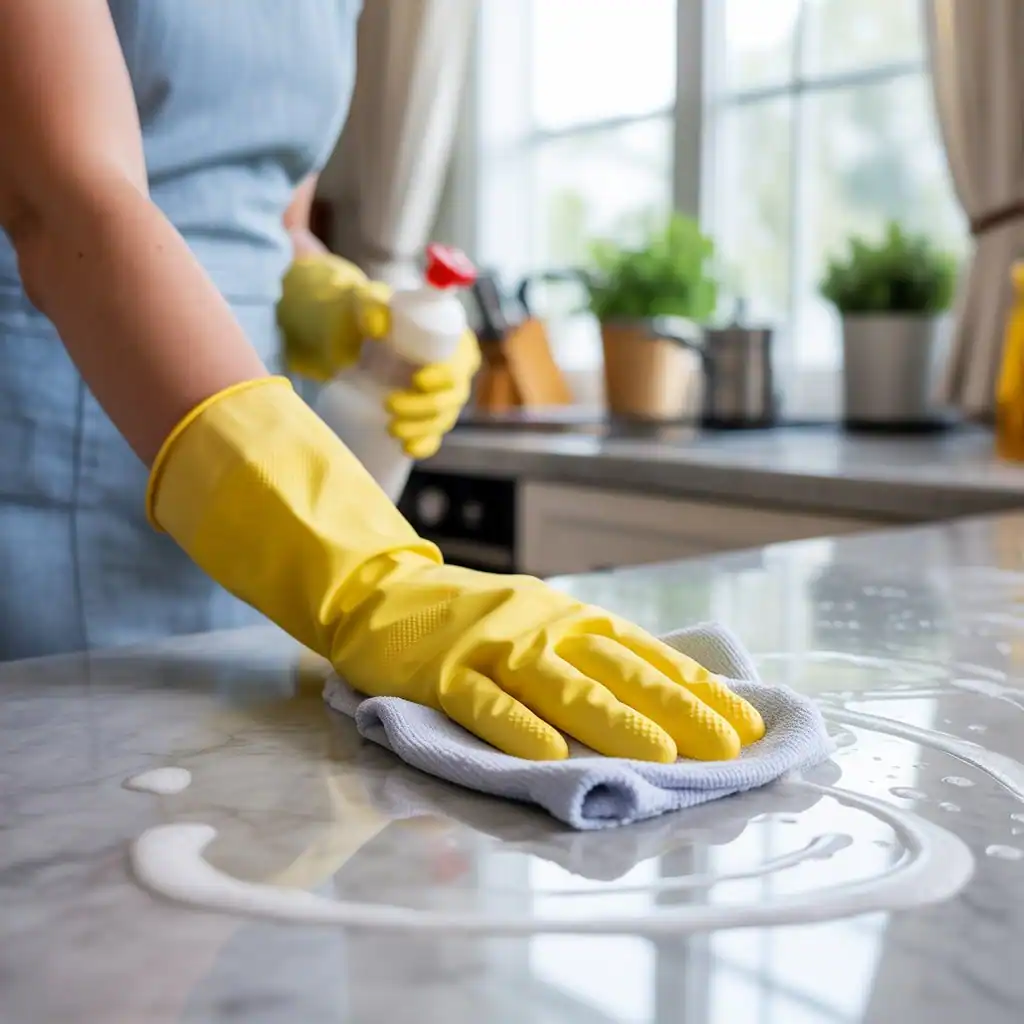
Decluttering your home can feel overwhelming, especially if you don’t know where to start. The idea of going through every room, every drawer, and every item can quickly become stressful. But the truth is, decluttering doesn’t have to be complicated.
With the right system, you can simplify the process and make steady progress without burnout. This guide will walk you through everything step by step so you can create a clean, organized space that actually stays that way.
Why Decluttering Matters More Than You Think
Clutter is not just about physical mess. It affects your mental state, productivity, and even your mood. When your space is overloaded, your brain feels overwhelmed too.
A decluttered home helps you:
- reduce stress and anxiety
- save time looking for things
- clean faster and more efficiently
- feel more in control of your environment
This is why decluttering is not just cleaning — it’s a lifestyle upgrade.
Step 1: Start Small to Build Momentum
One of the biggest mistakes people make is trying to declutter everything at once. This leads to burnout and unfinished tasks.
Instead, start small:
- one drawer
- one shelf
- one corner
Finishing a small area gives you a sense of progress and motivates you to continue.
Step 2: Use the 3-Box Method
To make decisions easier, use a simple system:
- Keep
- Donate
- Throw Away
Every item must go into one of these categories. Avoid creating a “maybe” pile — it slows you down and leads to clutter staying in your home.
Step 3: Follow the One-Year Rule
If you haven’t used something in the past year, you probably don’t need it. This rule works especially well for:
- clothes
- kitchen tools
- random household items
Be honest with yourself. Keeping things “just in case” is one of the main reasons clutter builds up.
Step 4: Declutter by Category, Not Location
Instead of cleaning one room at a time, try focusing on categories like:
- clothes
- books
- documents
- miscellaneous items
This helps you see how much you actually own and makes it easier to let things go.
Step 5: Create a Place for Everything
Once you decide what to keep, make sure every item has a clear place. Without this step, clutter will come back quickly.
Use:
- storage boxes
- drawer organizers
- shelves
The goal is to make it easy to put things back.
Step 6: Let Go of Emotional Clutter
Some items are hard to throw away because of memories. But keeping everything from the past can overload your space.
Ask yourself:
- Does this item add value to my life now?
- Would I buy this again today?
If the answer is no, it may be time to let it go.
Step 7: Build Daily Habits
Decluttering is not a one-time task. To keep your home organized, you need simple daily habits:
- put things back after using them
- do a quick 5–10 minute reset each day
- avoid bringing unnecessary items into your home
These small actions make a huge difference over time.
Step 8: Don’t Aim for Perfection
Your home doesn’t need to look like a magazine. The goal is functionality, not perfection.
Progress is always better than doing nothing.
Common Decluttering Mistakes to Avoid
Many people struggle because they make the same mistakes:
- trying to do everything in one day
- keeping too many “just in case” items
- buying storage instead of reducing clutter
- not maintaining the system
Avoiding these will make your process much easier.
Final Thoughts
Decluttering your home is one of the most powerful things you can do to improve your daily life. It doesn’t require perfection or extreme minimalism — just consistent effort and smart decisions.
Start small, stay consistent, and focus on progress. Over time, your home will become a space that feels calm, clean, and easy to live in.